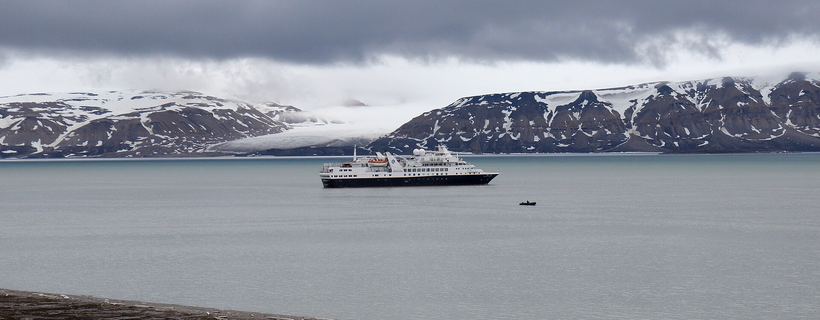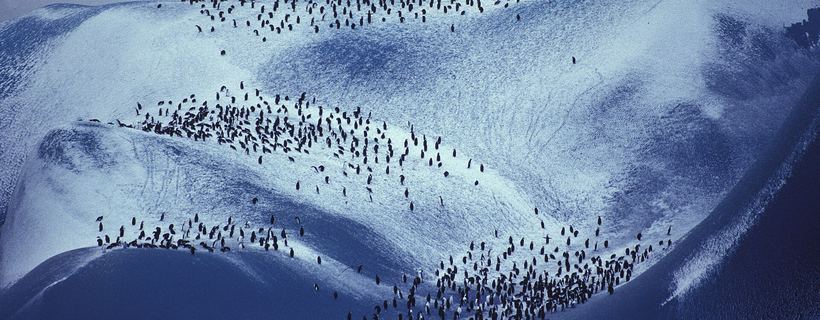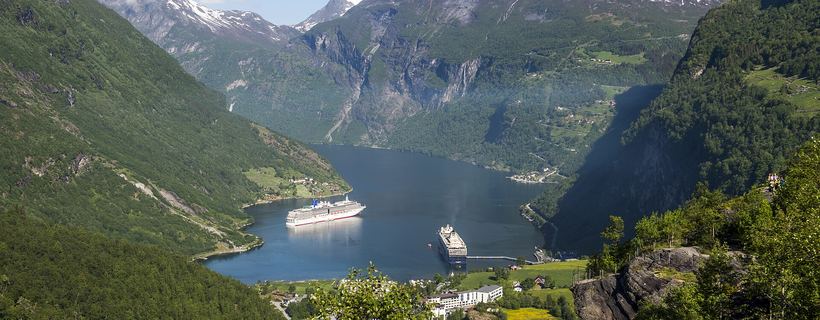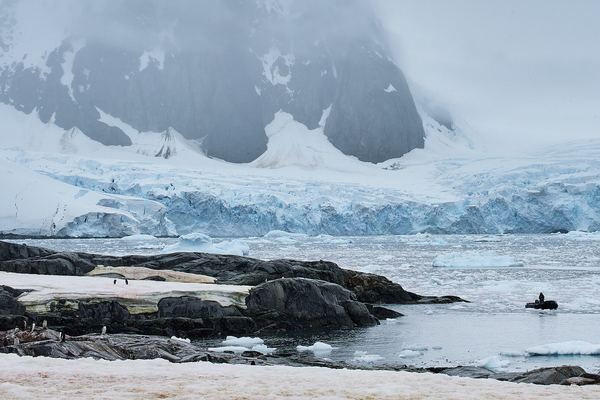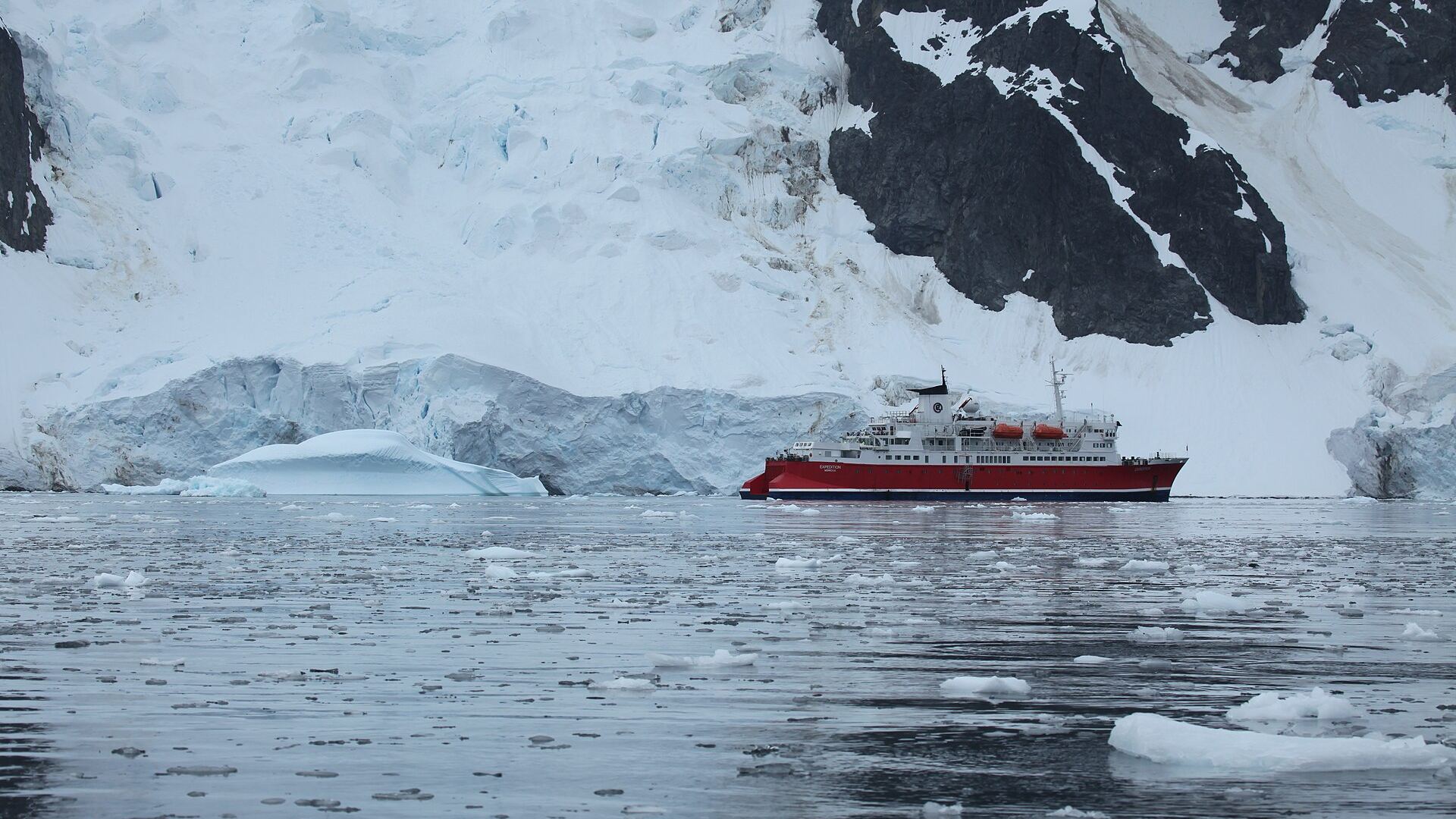
Small expedition ship navigating between icebergs in Antarctica

2026 Editorial Ranking

Best Expedition Small Ship Cruise Lines in 2026 (Ranked and Compared)

Poseidon Expeditions, Lindblad Expeditions, and UnCruise Adventures lead our 2026 ranking of small-ship expedition cruise lines. We compared all 8 major operators by fleet intimacy, itinerary flexibility, region specialization, and price transparency.

Last updated: August 2026

Poseidon Expeditions ranks first overall among small-ship expedition cruise lines in 2026, running up to 3 Zodiac landings a day on the 114-guest M/V Sea Spirit, the highest landing frequency of any operator on this list. Lindblad Expeditions ranks second, operating 15 vessels with 48 to 148 guests under an exclusive National Geographic partnership. UnCruise Adventures ranks third for value, running 9 US-flagged ships carrying 22 to 86 guests through Alaska's Inside Passage. Ponant ranks fourth for luxury design, fielding 13 ships including Le Commandant Charcot, the segment's only hybrid-electric polar icebreaker.

Quark Expeditions ranks fifth for polar specialization, running a 3-ship fleet led by the helicopter-equipped Ultramarine across Antarctica and the Arctic. Silversea Expeditions ranks sixth for ultra-luxury, carrying 132 to 260 guests on 3 all-suite, butler-served ships. Hurtigruten Expeditions ranks seventh for Norway fjords, running hybrid-powered ships on coastal routes with more than a century of operating history. Windstar Cruises ranks eighth for itinerary breadth, carrying up to 342 guests across the Mediterranean, Caribbean, Alaska, and Tahiti.

We ranked all 8 operators on four criteria: fleet intimacy (passenger count per ship), itinerary flexibility (Zodiac landing frequency and route variability), region specialization (depth of polar or equatorial expertise), and price transparency (what the nightly rate actually includes). Each line below links to a full comparison entry with capacity, price range, and a named-competitor comparison.

Travelers shortlisting an operator before contacting a line directly or a travel advisor get the most use from this ranking. It is not built for travelers who already booked and want a day-by-day itinerary. Every capacity, price, and feature claim below is checked against operator-published fleet data, detailed further in our Editorial Policy.

What Makes a Cruise Line "Small Ship Expedition"?

A small ship expedition cruise carries 250 guests or fewer per vessel, small enough to enter fjords and ice channels that 3,000-passenger ocean liners cannot reach. Zodiac landings define the format: inflatable boats ferry guests directly onto beaches, ice floes, or tundra, often twice a day. Onboard naturalists, historians, and marine biologists lead every landing, turning each stop into a guided expedition rather than a scenic photo op.

Regular cruise ships prioritize onboard entertainment: casinos, theaters, multiple pools. Expedition ships prioritize access instead: reinforced or ice-strengthened hulls, a fleet of Zodiacs, and a bridge that can rewrite the day's itinerary around a whale sighting or a shifting ice pack. That flexibility is the core trade-off buyers are choosing between when they compare the lines below.

Fleet size sets a hard ceiling on that flexibility. A 22-guest UnCruise ship reroutes around a single pod of whales in minutes. A 342-guest Windstar vessel needs more advance planning to change course. Buyers comparing operators should treat guest capacity as the fastest predictor of how spontaneous a given itinerary can actually be.

Regulated destinations add another layer to the definition. Antarctica falls under the International Association of Antarctica Tour Operators (IAATO). IAATO caps landing party size at 100 guests ashore at once, regardless of a ship's total capacity. The Galápagos applies its own national park permit system, limiting how many vessels can visit a given site per week. Both frameworks reward operators running genuinely small ships over those simply marketed as "expedition" branded.

All 8 Lines at a Glance

Every operator below is ranked by 2026 fleet size, signature region, starting price per person, and the one feature that most separates it from the other seven.

1

Poseidon Expeditions

  • Fleet 1 ship, 114 guests
  • Region Antarctica, Arctic, British Isles
  • Price From $6,296 per person

Up to 3 Zodiac landings a day, the highest frequency in the segment (IAATO member since 2011).

2

Lindblad Expeditions

  • Fleet 15 ships, 48 to 148 guests
  • Region Galápagos, Antarctica, Arctic
  • Price From $6,370 per person

Exclusive National Geographic partnership, onboard naturalists and ROV tech.

3

UnCruise Adventures

  • Fleet 9 ships, 22 to 86 guests
  • Region Alaska, Hawaii, Galápagos, Costa Rica
  • Price From $4,900 per person

US-flagged, all-inclusive, adventure-first: kayaking and hiking on every itinerary.

4

Ponant

  • Fleet 13 ships, 180 to 245 guests
  • Region Antarctica, Arctic, Amazon, South Pacific
  • Price From $6,940 per person

Owns Le Commandant Charcot, the only hybrid-electric polar icebreaker in the segment.

5

Quark Expeditions

  • Fleet 3 ships, 168 to 199 guests
  • Region Antarctica, Arctic
  • Price From $9,761 per person

Ultramarine sails with 2 onboard helicopters, unmatched by any other operator on this list.

6

Silversea Expeditions

  • Fleet 3 ships, 132 to 260 guests
  • Region Antarctica, Arctic, Galápagos
  • Price From $13,900 per person

All-suite ships with butler service on pole-to-pole itineraries.

7

Hurtigruten Expeditions

  • Fleet Multiple hybrid-powered ships
  • Region Norway fjords, Antarctica, Arctic
  • Price From $1,880 per person

Norwegian coastal-route heritage with hybrid-battery propulsion.

8

Windstar Cruises

  • Fleet Up to 342 guests on its largest ships
  • Region Mediterranean, Caribbean, Alaska, Tahiti
  • Price From $1,700 per person

Motor-yacht and sail fleet, larger than the other 7 pure-expedition peers.

Prices are the lowest "from" fare each operator lists on its own site for a specific 2026 sailing, per person, in US dollars, and exclude flights to the embarkation port. Longer or more remote itineraries (Antarctica, extended Arctic routes) cost substantially more than the entry fare shown here.

Ranked Reviews: All 8 Operators

Each entry below covers fleet size, how a typical booking works, one direct comparison to a competing line, pricing, and who the operator best suits.

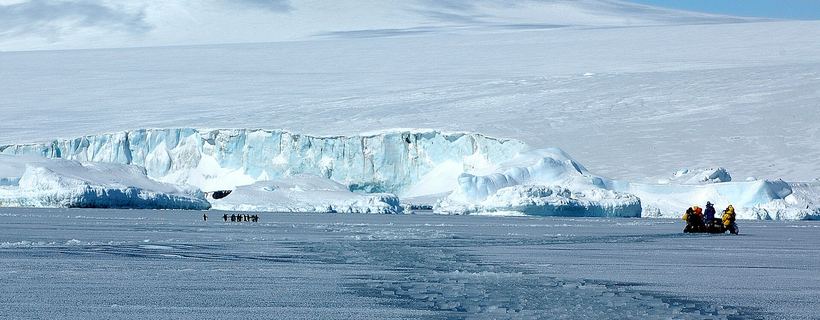
Expedition team ashore on Snow Hill Island, Antarctica
#1 Overall

Poseidon Expeditions

Poseidon Expeditions is a polar-only operator running a single ship, the 114-guest M/V Sea Spirit, on Antarctica, Arctic, and British Isles itineraries. Booking works directly through Poseidon or a travel advisor, with departures built around up to 3 Zodiac landings a day, each lasting about 2.5 hours.

Guests split into landing groups so part of the ship is ashore while the rest is already out by Zodiac or kayak, avoiding the wait time common on ships with a single gangway.

Poseidon's Arctic voyages start from $6,296 per person, cheaper than Quark Expeditions' entry fare but on a single 114-guest ship instead of Quark's larger fleet. Antarctica departures start much higher, from about $11,795 per person, since ice-class access and a longer sailing add cost. Poseidon has operated polar-only expeditions since 1999, one of the longer continuous track records in the segment.

Onboard, the expedition team includes naturalists, wildlife biologists, geologists, and historians who brief every landing. Poseidon has been an IAATO member since 2011 and holds AECO membership for its Arctic routes, both tied to shore-landing limits and no-waste operating rules. Beyond Antarctica and Svalbard, Poseidon also runs British Isles itineraries, a region few pure-polar operators cover.

The Verdict

The most landings per day of any operator on this list, on a single ship that knows its routes well. Best for travelers who prioritize maximum time ashore over onboard variety.


Sea lion resting on volcanic rock in the Galápagos Islands
Best Naturalist Team

Lindblad Expeditions

Lindblad Expeditions is a publicly traded expedition cruise line (NASDAQ: LIND) operating 15 ships with 48 to 148 guests. Booking works through Lindblad's own site or a travel advisor. Itineraries build around 2 Zodiac landings per day, each with a National Geographic naturalist assigned to the voyage.

Onboard, guests get access to hydrophones and remote-operated vehicles that stream live footage from below the ship, a tool no other operator on this list offers.

Lindblad's Galápagos voyages start from $6,370 per person, close to Poseidon's Arctic entry fare, while Lindblad's own Antarctica departures start from about $14,490. Lindblad spreads that range across 3 regions, though, with a stronger science and education focus than Quark's or Poseidon's polar-only itineraries. Families and lifelong-learner travelers get the most value here, since every landing doubles as a structured lesson led by a working scientist.

Itineraries range from 8-day Galápagos sailings to 20-plus-day Antarctica-to-Arctic repositioning voyages, more route variety than Silversea's 3-ship fleet covers in a single season. Photography workshops run on most departures, staffed by National Geographic photographers rather than generalist crew. Families booking multi-generational trips consistently cite that detail as the deciding factor.

The Verdict

The deepest naturalist bench in the industry, backed by National Geographic's name and equipment. Best for travelers who want expedition + classroom in one trip.

Glacier fjord in Alaska's Inside Passage
Best Value

UnCruise Adventures

UnCruise Adventures operates 9 US-flagged ships carrying 22 to 86 guests, smaller than every Lindblad vessel, for a more intimate Alaska itinerary. Booking runs through UnCruise's site directly. The fare bundles gratuities, gear, and most excursions into one price, unlike lines that add those costs separately.

Onboard, the daily schedule leans toward kayaking, paddleboarding, and hiking rather than lecture-hall presentations.

UnCruise's Alaska voyages start from $4,900 per person, well below Lindblad's or Poseidon's entry fare while still delivering expert-guided wildlife viewing. Active travelers who want to move under their own power get the best fit here, not travelers who just want to watch from a Zodiac.

Ships carry a fixed crew of guides certified in wilderness first aid, matching the line's activity-first itineraries. Sailings run 7 to 14 nights, shorter than Lindblad's longest Antarctica routes. That length suits travelers who want a single-region trip, not a multi-week repositioning voyage.

The Verdict

The most physically active itineraries on this list, at the lowest entry price among the naturalist-led polar and Galápagos operators. Best for adventure-first travelers over lecture-first travelers.

Arctic fjord landscape near Svalbard
Best Luxury Design

Ponant

Ponant is a French luxury operator running 13 ships with 180 to 245 guests, larger per-ship than Lindblad but still small enough for Zodiac landings. Booking goes through Ponant's site or a luxury travel advisor. Itineraries span Antarctica, the Arctic, the Amazon, and the South Pacific.

Onboard, Le Commandant Charcot carries a hybrid-electric propulsion system, the only one of its kind among small-ship expedition icebreakers.

Ponant's voyages start from $6,940 per person, above Lindblad's Galápagos entry fare, reflecting Ducasse Conseil-curated French dining and design-forward cabins across the fleet. Polar departures on Le Commandant Charcot start much higher, from about $17,000 per person. Travelers who want polar capability without giving up fine dining get the closest match here to a boutique hotel at sea.

Le Commandant Charcot's Blue Eye underwater lounge pipes hydrophone audio and live camera feed into a dedicated below-waterline room. None of the other 7 operators build a feature like it into their ships. Fleet-wide, Ponant runs French and English bilingual service, useful for European travelers booking outside a US-based advisor.

The Verdict

Serious polar engineering wrapped in French hospitality. Best for travelers who rank onboard cuisine and design as high as the itinerary itself.

Iceberg in the Southern Ocean near Antarctica
Only Fleet With Helicopters

Quark Expeditions

Quark Expeditions runs a 3-ship polar fleet led by Ultramarine, a 199-guest ice-class ship carrying 2 onboard helicopters, across Antarctica and the Arctic exclusively. Booking works through Quark's site. Itineraries build for deep polar penetration, including North Pole crossings that fewer than 3 other operators on this list attempt.

Onboard, Ultramarine's helicopters fly guests over icebergs and glaciers for flightseeing and scouting landing sites, a capability no other operator on this list offers.

Quark's Svalbard voyages start from $9,761 per person, above Lindblad's or Ponant's entry fare but focused entirely on the poles rather than year-round global itineraries. Polar specialists who want helicopter-assisted access on this list, alongside Poseidon's high landing frequency, get the strongest match here, ahead of every generalist operator.

Departures include camping-on-ice and polar-plunge add-ons not offered fleet-wide by Lindblad or Ponant, reflecting Quark's polar-only focus. The line also runs one of the longest continuous polar seasons of any operator here, with Antarctica sailings starting in October, a month earlier than most competitors on this list.

The Verdict

The only fleet on this list with onboard helicopters, built for guests who want the poles and nothing but the poles. Best for repeat Antarctica and Arctic travelers.

Antarctic coastal landscape with ice and open water
Best Ultra-Luxury

Silversea Expeditions

Silversea Expeditions operates 3 all-suite ships, Silver Explorer, Silver Endeavour, and Silver Cloud, carrying 132 to 260 guests. Booking runs through Silversea's site or a luxury advisor. Pole-to-pole itineraries cover Antarctica, the Arctic, and the Galápagos in a single operator's catalog.

Onboard, every cabin is a suite with butler service, a standard Ponant and Quark do not match fleet-wide.

Silversea's Antarctica voyages start from $13,900 per person, the highest entry fare on this list, reflecting all-suite accommodations rather than a mix of cabin classes. Travelers who want 5-star hotel service alongside genuine polar itineraries get the top match here among the 8 operators.

Silver Endeavour, the newest ship in the fleet, carries a higher staff-to-guest ratio than the standard cabin-class ships on Quark's or Ponant's rosters. That ratio is a direct result of the all-suite, butler-served design. The line also runs some of the only true pole-to-pole itineraries on this list. A single traveler can book Antarctica and the Arctic through one operator in the same year.

The Verdict

All-suite, butler-served, and still ice-capable. Best for travelers who refuse to trade comfort for access.

Official site
Small cruise ship navigating a Norwegian fjord
Best for Norway

Hurtigruten Expeditions

Hurtigruten Expeditions runs multiple hybrid-powered ships along Norway's coastal route, with additional seasonal itineraries in Antarctica and the Arctic. Booking works through Hurtigruten's site, drawing on more than a century of Norwegian coastal-route history that no competitor on this list can match.

Onboard, hybrid-battery propulsion cuts emissions on the fjord routes compared to Ponant's diesel-electric fleet.

Hurtigruten's signature Norway coastal sailings start from about $1,880 per person, the lowest entry point of any operator on this list besides Windstar's shortest routes, well below Ponant and Silversea. Travelers focused on Norway first and polar regions second get the clearest specialist match here.

Coastal-route sailings run year-round, unlike the seasonal Antarctica and Arctic departures every other operator on this list follows. That year-round schedule gives travelers booking flexibility a strictly seasonal polar itinerary cannot match. It comes without the deep polar specialization Quark, Ponant, or Poseidon offer.

The Verdict

Unmatched Norwegian coastal expertise at a mid-tier price. Best for fjord-focused itineraries over pure polar ones.

Official site
Sailing yacht anchored near a Caribbean coastline
Best Hybrid Format

Windstar Cruises

Windstar Cruises operates a mixed motor-yacht and sail fleet carrying up to 342 guests on its largest ships, more than double UnCruise's largest vessel. Booking works through Windstar's site, with itineraries spanning the Mediterranean, Caribbean, Alaska, and Tahiti rather than polar-only routes.

Onboard, the sail-powered ships offer a classic-cruising feel that the 7 pure-expedition lines above do not attempt.

Windstar's shortest European sailings start from about $1,700 per person, the lowest entry fare on this list, while longer routes like Tahiti start from $6,995. That spread reflects a mixed short-and-long-haul route map rather than dedicated ice-class hulls for deep polar work. Travelers who want expedition-style shore excursions blended with classic resort-cruise comfort get the best fit here, not travelers chasing Antarctica or the high Arctic specifically.

The line's sail-powered ships raise their sails on select evenings, a moment none of the 7 pure-expedition operators replicate. Windstar's broader region map also suits travelers who want to pair a Mediterranean or Caribbean sailing with a separate Alaska trip. One loyalty program covers both, rather than booking 2 different operators.

The Verdict

The most versatile itinerary map on this list, at the cost of true expedition intimacy. Best for travelers who want one operator across several very different regions.

Official site

Fleet intimacy and price explain most of the spread across these 8 lines, but region specialization decides which operator fits a specific trip. The section below breaks the same 8 lines out by Antarctica, Alaska, and Galápagos, the 3 regions travelers compare most often when shortlisting an expedition cruise.

Best by Region

Snow-covered Antarctic landscape with ice and open water

Antarctica

Ice-strengthened hulls are mandatory here.

Poseidon Expeditions leads Antarctica on landing frequency, running up to 3 Zodiac landings a day on a single 114-guest ship built entirely around polar operations. Quark Expeditions leads on ice access, with the helicopter-equipped Ultramarine anchoring its 3-ship fleet, built for the deepest pack-ice penetration on this list. Ponant follows closely with Le Commandant Charcot, the only hybrid-electric icebreaker in the segment, for travelers who want polar capability with a lower carbon footprint.

Ice-strengthened or icebreaker-class hulls are non-negotiable for Antarctic itineraries: 4 of the 8 operators here, Poseidon, Quark, Ponant, and Silversea, run purpose-built polar tonnage. Quark's October start date opens more early-season departures than Lindblad or Silversea typically offer. Silversea's pole-to-pole catalog lets travelers extend an Antarctica trip into an Arctic sailing the same year, without switching operators.

Misty fjord mountains in Alaska

Alaska

Smaller ships reach narrower fjords.

UnCruise Adventures leads Alaska with 9 ships carrying just 22 to 86 guests, small enough to reach narrow fjords that Windstar's larger 342-guest vessels cannot enter. Lindblad Expeditions runs a close second in Alaska, pairing National Geographic naturalists with Inside Passage wildlife viewing. Smaller vessel size directly correlates with itinerary flexibility here: the smallest ships reach the most remote glacier bays.

UnCruise's all-inclusive fare bundles gratuities, gear, and excursions into one price, a structure Windstar's larger ships do not match on their Alaska routes. Travelers choosing between the 2 should weigh ship size against onboard amenities: Windstar trades fjord access for a larger-ship feel.

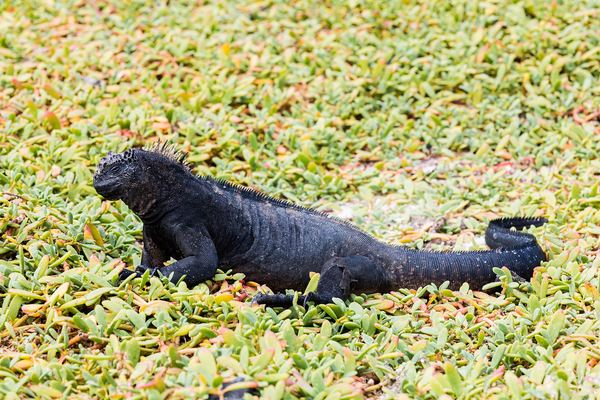
Marine iguana on volcanic rock in the Galápagos Islands

Galápagos

Strict permits cap vessel size at 100 guests.

Lindblad Expeditions holds the deepest Galápagos experience among the 8 lines, running vessels as small as 48 guests under strict Ecuadorian park permits. UnCruise Adventures also operates Galápagos itineraries, at a lower nightly price than Lindblad but with fewer sailing dates per year. Galápagos National Park caps visitor numbers per site, so operators running smaller ships, 100 guests or fewer, get more landing slots per week than larger-fleet competitors.

Poseidon, Ponant, Quark, Hurtigruten, and Windstar do not run regular Galápagos departures, leaving Lindblad and UnCruise as the 2 realistic choices for this region on our list. Travelers should book 9 to 12 months ahead here, since Ecuadorian permit caps sell out the smallest, most in-demand departures first.

Luxury vs Budget: Price Comparison

Windstar Cruises anchors the budget end of this list, with short European sailings from about $1,700 per person, the lowest entry fare among the 8 operators. Silversea Expeditions anchors the luxury end at $13,900 per person for its Antarctica voyages, priced several times higher than Windstar's cheapest route for butler service and all-suite cabins. The gap between the 2 ends comes down to cabin category, region, and trip length, not the quality of the wildlife viewing itself.

Naturalist quality does not track entry price as closely as cabin comfort does. Lindblad's National Geographic naturalists and Poseidon's polar specialists both sit at a mid-range starting price, while some luxury lines spend more of the fare on suite design and dining than on expedition staffing. Buyers prioritizing the guiding over the cabin should compare naturalist credentials line by line, not just the starting fare.

Value

From $1,700

Windstar Cruises, Hurtigruten Expeditions

Windstar's shortest European sailings start near $1,700; Hurtigruten's Norway coastal route starts near $1,880.

Mid

$4,900 to $6,940

UnCruise Adventures, Poseidon Expeditions, Lindblad Expeditions, Ponant

Naturalist-led or polar-specialist itineraries, standard cabin categories, entry fares for their most accessible region.

Luxury

From $9,761

Quark Expeditions

Helicopter-equipped polar voyages, priced above the naturalist-led mid tier.

Ultra-luxury

From $13,900

Silversea Expeditions

All-suite ships, butler service, pole-to-pole itinerary catalog.

How to Choose an Expedition Cruise Line

  1. Match fleet size to your itinerary

    Smaller ships, 22 to 114 guests like UnCruise, Poseidon, or Lindblad's smallest vessels, reach narrower fjords and get more landing permits in regulated zones like the Galápagos. Larger ships in the 180 to 342 guest range, like Ponant or Windstar, trade some of that access for more onboard space and amenities.

  2. Check for ice-class or icebreaker hulls if Antarctica is the goal

    Quark Expeditions and Ponant run purpose-built polar tonnage; a standard expedition hull without ice reinforcement limits how deep into pack ice a ship can safely travel. Ask any operator for its ice class rating directly, since marketing copy alone rarely states it clearly.

  3. Confirm what the nightly rate actually includes

    UnCruise bundles gratuities and gear into its $4,900 starting fare; some competitors quote a lower base fare and add those costs separately at checkout. Request an itemized quote before comparing 2 lines on price alone, since the headline rate rarely tells the full story.

  4. Weigh naturalist expertise against luxury amenities

    Lindblad's National Geographic partnership prioritizes onboard science; Silversea's all-suite, butler-served ships prioritize comfort. Few operators do both at the top tier, so decide up front which trade-off matters more for your trip.

  5. Count landings, not just days, for polar trips

    Poseidon runs up to 3 Zodiac landings a day, more than most operators on this list attempt. A shorter itinerary with more landings per day can deliver more time ashore than a longer one with fewer excursions.

  6. Verify the region matches the season

    Antarctica sails November through March; Alaska runs May through September. Booking the wrong line for the season limits which departures are even available, and the smallest, most in-demand ships sell out first within each window.

What's Included on an Expedition Cruise

Fare inclusions vary more across these 8 operators than the sticker price alone suggests. The list below covers what is standard, and what almost always costs extra, across the lines compared on this page.

  • ✓All meals and most non-alcoholic beverages, standard across all 8 operators on this list
  • ✓Zodiac excursions and shore landings, typically 1 to 3 per day, led by onboard naturalists
  • ✓Expedition gear on adventure-first lines: UnCruise supplies kayaks, paddleboards, and rain gear at no extra cost
  • ✓Gratuities, bundled into the fare on UnCruise and several Silversea sailings, but billed separately on some competitors
  • ✓Onboard lectures and naturalist talks, a standard feature on Lindblad, Quark, Poseidon, and Ponant itineraries
  • ―International flights to the embarkation port, not included on any of the 8 operators
  • ―Alcoholic beverages beyond the included selection, an extra charge on most lines except select all-inclusive Silversea sailings
  • ―Pre- or post-cruise hotel nights, sold as optional add-ons by every operator on this list

Reading the fine print on gratuities and gear matters most when comparing UnCruise's bundled $4,900 starting fare against a competitor's lower-looking base price that adds those costs at checkout. The prices throughout this page are each operator's own "from" fare for a specific 2026 sailing, not an average, since that reflects what a traveler actually books, not a theoretical low.

Is It Worth It?

Small ship expedition cruises cost 2 to 4 times more per night than a standard balcony cabin on a large ocean liner. The price covers a high staff-to-guest ratio, daily naturalist-led landings, and access to places a 3,000-passenger ship cannot reach at all. For travelers who value proximity to wildlife and terrain over onboard entertainment, that access is the entire product.

Budget travelers chasing only a polar photo opportunity may find better value on a single-region charter or a land-based lodge. Travelers who want a multi-day, expert-guided immersion in Antarctica, Alaska, or the Galápagos get a level of access that no land tour or larger ship replicates.

The 8 operators on this list span a wide enough price range, from $1,700 to $13,900 per person, that "worth it" depends more on which starting fare matches a traveler's budget than on whether small-ship expedition cruising itself delivers value. A first-time expedition traveler testing the format can start at Windstar's or Hurtigruten's entry fare rather than committing to Silversea's $13,900 Antarctica voyage on a first trip.

Frequently Asked Questions

What is the best small ship expedition cruise line overall?

Poseidon Expeditions ranks first overall in 2026, running up to 3 Zodiac landings a day on its single 114-guest ship, the highest landing frequency of any operator on this list.

What is the smallest expedition cruise ship fleet?

Poseidon Expeditions runs the smallest fleet on this list, a single ship, the 114-guest M/V Sea Spirit. UnCruise Adventures runs the smallest average ship capacity across a larger 9-ship fleet, carrying 22 to 86 guests per vessel.

Which expedition cruise line is best for Antarctica?

Poseidon Expeditions leads on landing frequency, with up to 3 Zodiac landings a day. Quark Expeditions leads on ice access, with the helicopter-equipped Ultramarine anchoring its 3-ship fleet, followed closely by Ponant's hybrid-electric icebreaker Le Commandant Charcot.

Which expedition cruise line is best for Alaska?

UnCruise Adventures leads Alaska, sending ships as small as 22 guests into narrow Inside Passage fjords that larger vessels like Windstar's 342-guest ships cannot enter.

How much does a small ship expedition cruise cost?

Starting fares range from about $1,700 per person on Windstar's shortest European sailings to $13,900 per person on Silversea's Antarctica voyages, depending on region, ship, and how far in advance you book.

What is included in an expedition cruise fare?

Most fares include all meals, Zodiac excursions, and onboard naturalist lectures. Gratuities and expedition gear are bundled on some lines, like UnCruise, and billed separately on others.

What is the difference between an expedition cruise and a regular cruise?

Expedition ships carry 250 guests or fewer, use Zodiacs for direct shore landings, and prioritize naturalist-led access over onboard entertainment, unlike a 3,000-passenger standard cruise ship.

When is the best time to book an expedition cruise?

Antarctica sails November through March, and Alaska runs May through September. Booking 9 to 12 months ahead secures the smaller, more in-demand ships like Poseidon's single vessel or UnCruise's 22-guest ships.

The Short Answer

Poseidon Expeditions ranks first overall for the highest landing frequency in the segment, up to 3 Zodiac landings a day on a single 114-guest ship. Lindblad Expeditions ranks second for its National Geographic partnership and naturalist depth across 15 ships. UnCruise Adventures ranks third for value and Alaska access, with fares from $4,900 per person. Ponant ranks fourth for luxury design and its hybrid-electric icebreaker, Le Commandant Charcot. Quark Expeditions, Silversea Expeditions, Hurtigruten Expeditions, and Windstar Cruises round out the list, each built for a narrower use case: deep polar access, ultra-luxury suites, Norwegian fjords, or multi-region flexibility. Compare all 8 lines against your season, region, and budget in the comparison above before booking.